
The Question No One Asked
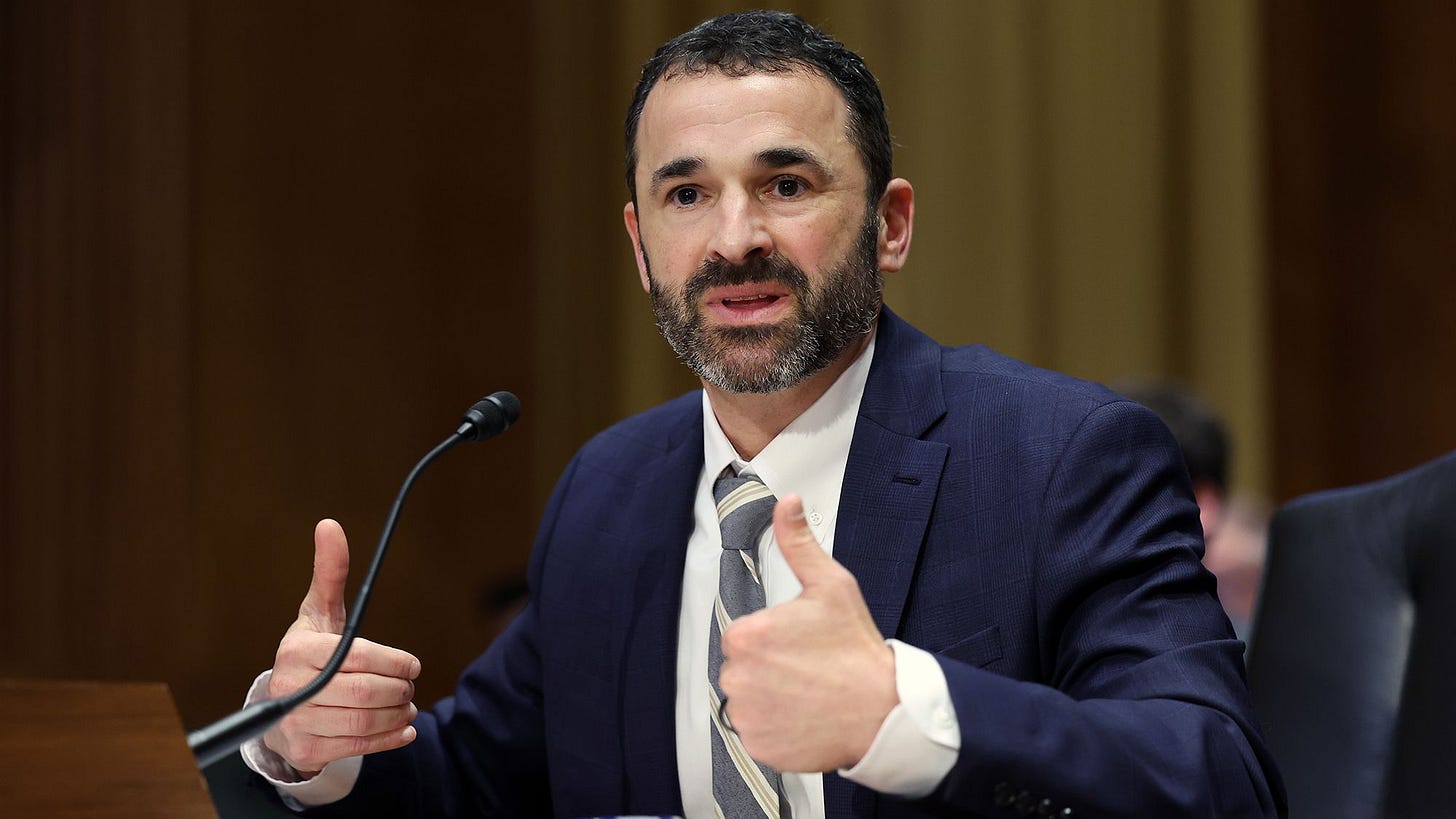
While researching my forthcoming book, Fraud Nation: How Criminals Exploit AI and Government Neglect to Steal Billions from Americans, I spent an afternoon watching Danny Werfel’s 2023 Senate confirmation hearing to become Commissioner of the IRS. I was writing about pandemic fraud in the Employee Retention Tax Credit program and I wanted to get a firsthand look at what Congress was interested in from the next IRS Commissioner.
The hearing was held on Wednesday, February 15, 2023. At the time, the United States had just lived through the largest fraud wave in its history. Pandemic relief programs lost hundreds of billions of dollars to identity theft, organized criminal networks, and fabricated businesses, and the losses were still making headlines when Werfel sat down in front of the Senate Finance Committee. Inspectors general, congressional investigators, and independent watchdogs had already documented how badly the federal government misjudged the threat.
Senators had plenty of questions for Werfel. They asked him whether he’d reduce the wait times Americans endure when they call the IRS. They asked how he’d protect Americans’ privacy. They asked whether he’d focus IRS resources on high earners, and whether he’d help small business owners get the pandemic-era tax credits they were owed. These are fair questions, and Werfel had answers for all of them.
But what senators didn’t ask about was fraud. Nobody pressed him on how he’d strengthen fraud prevention, what new authorities he’d request, how he’d use data analytics to flag suspicious claims before money went out the door.
In fact, the word “fraud” never came up in the entire confirmation hearing.
Confirmation hearings tell you what Washington values. Democrats and Republicans alike tend to spend their time on politics, management controversies, customer service, ideology, and the implementation of whatever signature policy the agency is running. Fraud prevention rarely gets sustained attention unless a scandal is already underway. What is truly striking is that Werfel took the job in the wake of the biggest fraud scandal in the agency’s history, and the topic still didn’t make the list.
A Fortune 500 board hiring a new CEO after the company’s largest financial theft would ask how he intends to prevent another one. The fact that that question didn’t occur to the Senate committee overseeing one of the government’s largest financial institutions is telling.
The great irony here is that months after his confirmation, Werfel imposed a moratorium on new Employee Retention Tax Credit claims after discovering that the program had been overrun by fraudulent applications. It was among the most consequential— and courageous— fraud-prevention decisions in the history of government. The moratorium angered a lot of people, but it arguably saved taxpayers $200 billion.
Werfel’s confirmation hearing was not out of the ordinary. Even after the eye-watering fraud losses of the pandemic era, fraud is still treated as an inspector general’s job, a prosecutor’s job, or an auditor’s job years after the damage is done. It is almost never treated as a leadership responsibility from day one. We don’t ask Cabinet nominees how they’ll measure fraud losses, redesign programs to prevent identity theft, or use AI against increasingly sophisticated criminal networks. We don’t ask how they’ll confirm taxpayer dollars are reaching the people they’re meant for.
Agencies devote their energy to what their leaders emphasize. If fraud prevention doesn’t come up at confirmation hearings, doesn’t show up in agency performance metrics, and isn’t expected of senior executives, it will keep losing out to customer service, program delivery, and political messaging.
None of this is inevitable. Fraud thrives in the dark, and Washington has made a habit of keeping it there. Losses get estimated after the fact, buried in inspector general reports few people read and fewer act on. Prevention investments get scored by the Congressional Budget Office as costs rather than savings, so agencies asking for fraud detection tools compete for funding against programs that show up as immediate benefits on paper.
The incentive structure rewards spending money quickly over
spending money carefully.
Fixing that starts with making the invisible visible. The CBO should score fraud prevention investments in a way that accounts for the losses those investments prevent rather than treating them as pure cost. Congress should mandate an annual, public fraud prevention scorecard grading every major federal agency on detection capacity, actual detection rates, data-sharing practices, and technology modernization. Right now, a Cabinet secretary can spend four years in office without anyone outside the agency knowing whether fraud went up or down on their watch.
Fraud prevention fails because nobody with power is required to consider it, measure it, or answer for it. Congress can and should hold Cabinet officials accountable for their stewardship of taxpayer funds, and that should start with clear expectations from day one.
Article first posted on GovIntegrity.