
News, events, and thought leadership on strengthening integrity in government. Our perspective is nonpartisan, data-driven, and grounded in frontline experience.

GAO Just Nearly Doubled the Federal Fraud Bill
A new tax fraud loss estimate brings the total estimated U.S Government annual fraud losses to up to $825 billion. It’s past time for a modern fraud prevention architecture.

When Fraud Looks Like Error
New Evidence that Official Unemployment Assistance Fraud Estimates Are Too Low
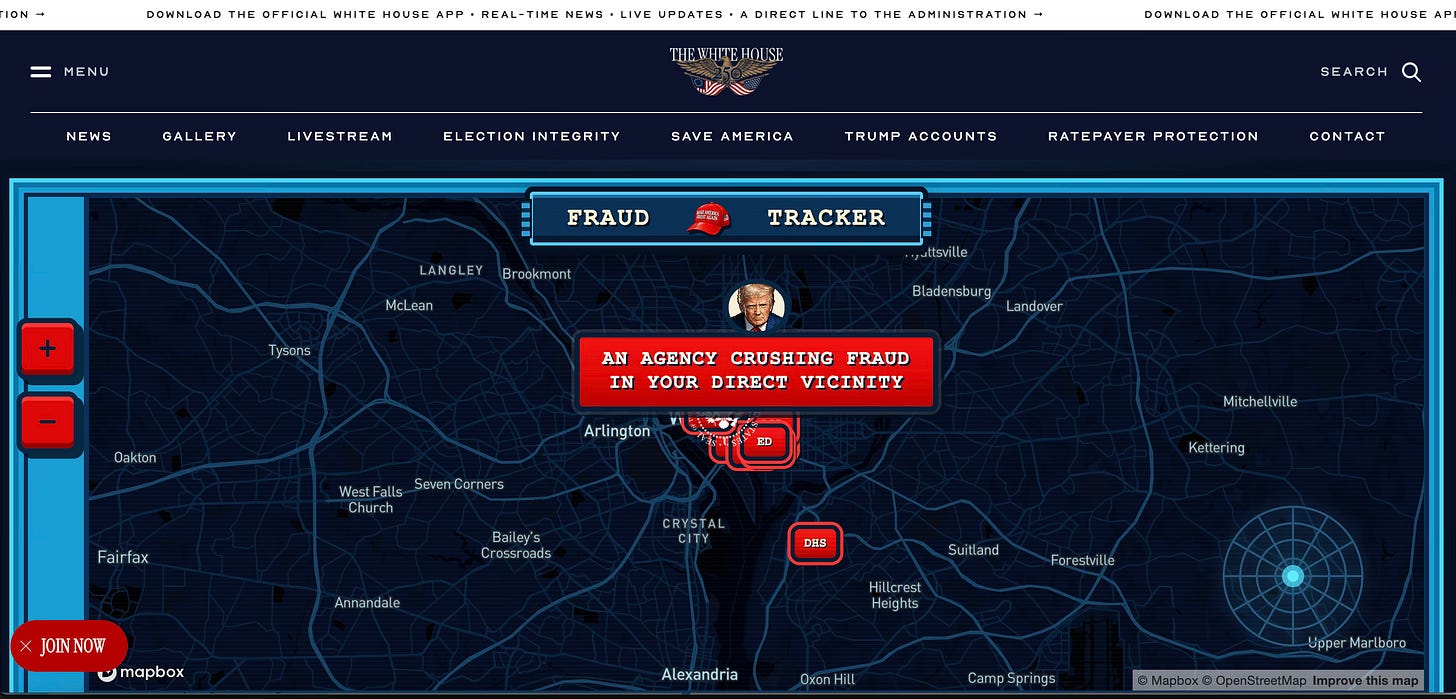
The White House’s New Fraud Ledger Doesn’t Add Up
If the government wants the public to trust its fraud numbers, those numbers need provenance.

The Data Minimalists Were Right All Along
Federated architecture and privacy-preserving technology can confirm eligibility without asking Americans to trust government with another database
Program Integrity Alliance Statement on the Creation of the National Fraud Detection Center
PIA welcomes the Department of Justice's National Fraud Detection Center, and in particular its emphasis on cross-program visibility to identify and prosecute fraud. PIA argues that the government needs national fraud prevention architecture to stop fraudulent payments from occurring in the first place.
Washington Keeps Growing Its Capacity to Prosecute Fraud, and Shrinking Its Capacity to Stop It
Is a wave of low-level convictions a 'fraud crackdown'?

Who Owns This Company? Treasury Apparently Doesn't Care
Eliminating a paperwork burden and eliminating the government’s ability to answer a basic question are not the same thing
FedRAMP Became the Price of Admission, Even When it Wasn't Needed
Agencies are signaling a willingness to abandon the FedRAMP or nothing approach to technology procurement that has come to dominate GovTech
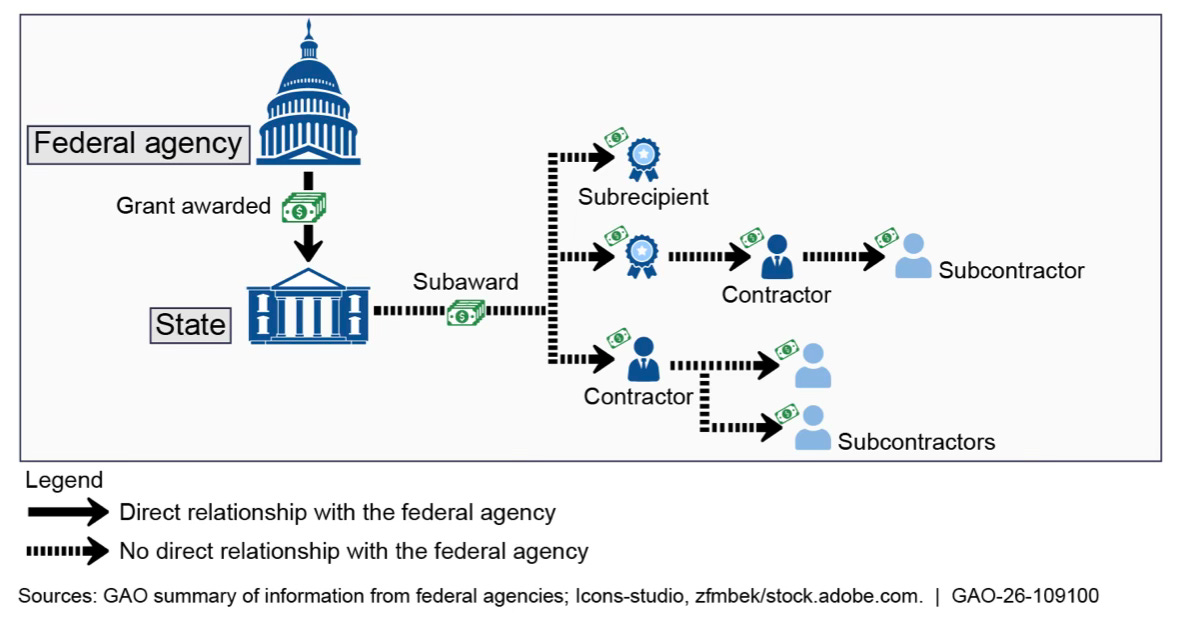
Nobody Is Watching the Money Once It Leaves Washington
A new GAO report followed $1.1 trillion in federal funding past Washington and found the government's view of it getting worse with every hand it passes through
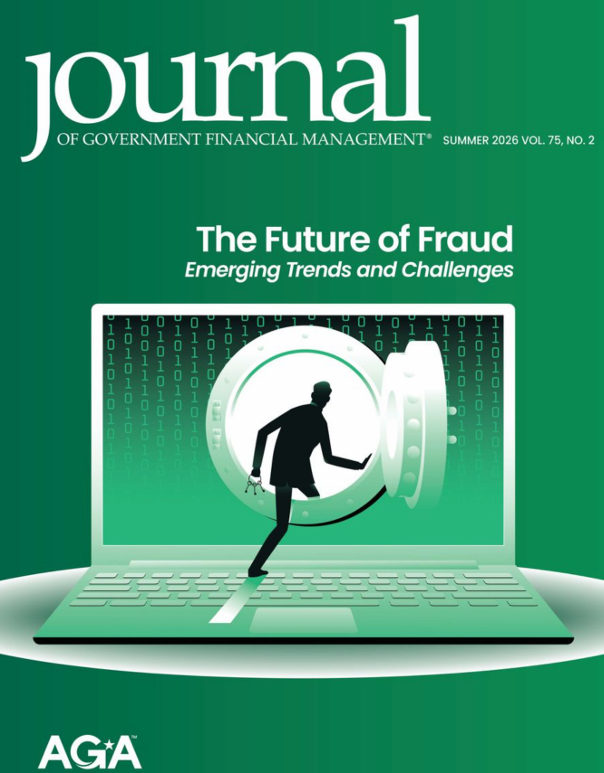
Bias in the Loop: How Human Judgment Shapes AI-assisted Anti-fraud Work
In this article for the 2026 AGA Summer Journal, PIA Executive Director Gavin Ugale discusses downstream cognitive bias in AI-enabled fraud detection.

The Death of Documentary Evidence
AI has made documents useless as proof
Program Integrity Alliance Announces Distinguished Advisory Group
The Program Integrity Alliance (PIA) announced today the formation of its Oversight Advisory Group.
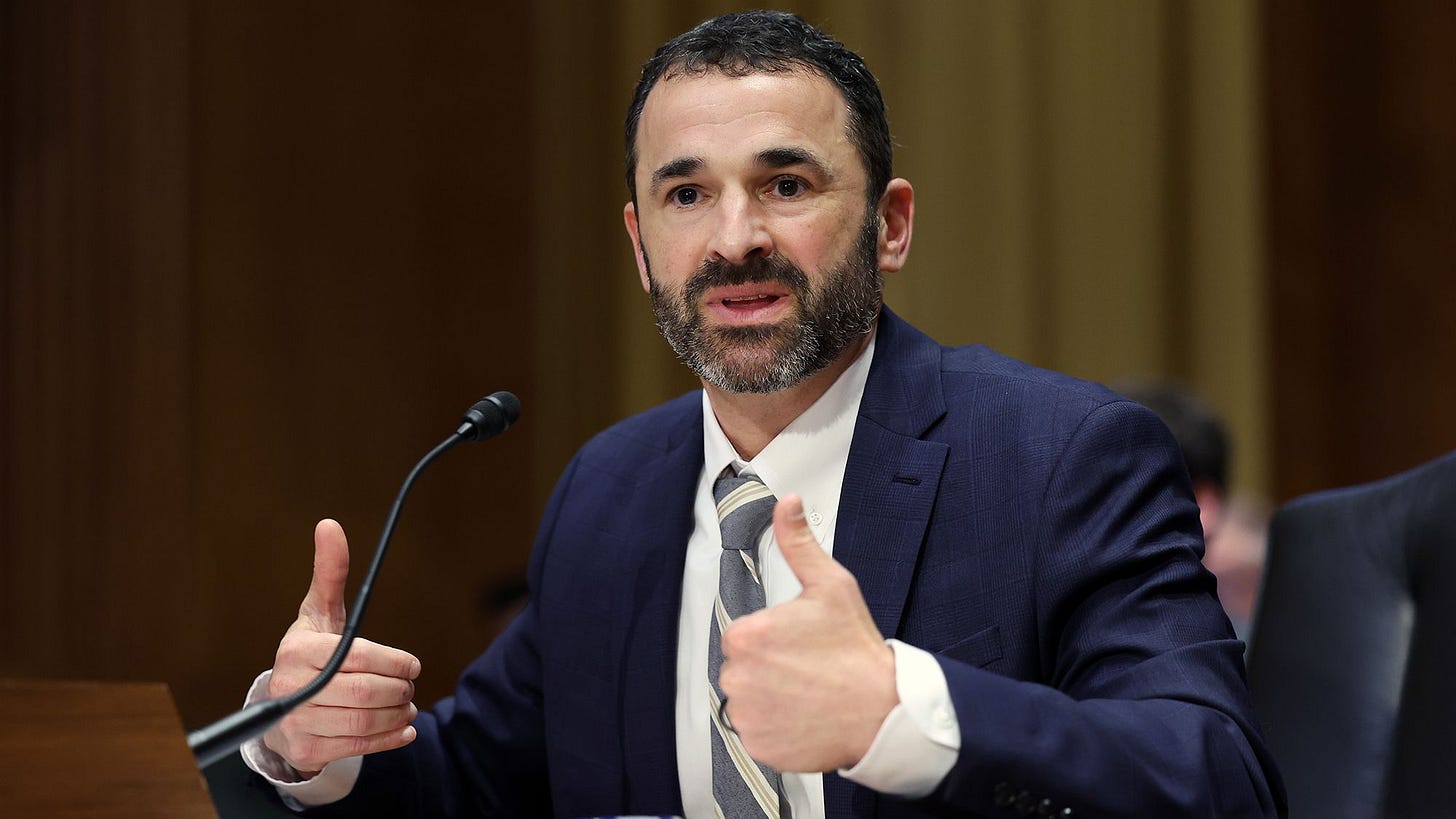
The Question No One Asked
Danny Werfel's 2023 confirmation hearing came right after the largest fraud wave in U.S. history. Senators asked about wait times.
Press Release: PIA Adds Veteran Government Leaders to its Board
PIA announced today the appointment of five distinguished leaders to its Board of Directors.

When fraud becomes a political weapon
The case for asking why, not who

The Federal government doesn't know who its paying, and that makes it easier to defraud
OMB’s grants rewrite improves oversight, but it doesn’t solve the central problem that the federal government can’t track its own money

Why Aggressive Fraud Enforcement Keeps Catching the Wrong People
The Vance task force’s hospice sweep exposed a false positive problem that has been there for years.

The Beginning of the End of Self-Attestation
A new bill acknowledges that the federal government can no longer afford to administer major programs based primarily on trust

Good Luck, ClaimsCore
CMS just hired two contractors to do what no one has managed to do in thirty years. Here’s why that’s harder than the announcement suggests.

Invest in More Fraud Rooms
If CMS's visibility across identity, ownership, enrollment, billing, and payment activity yields this much in savings, shouldn't we do it across government?
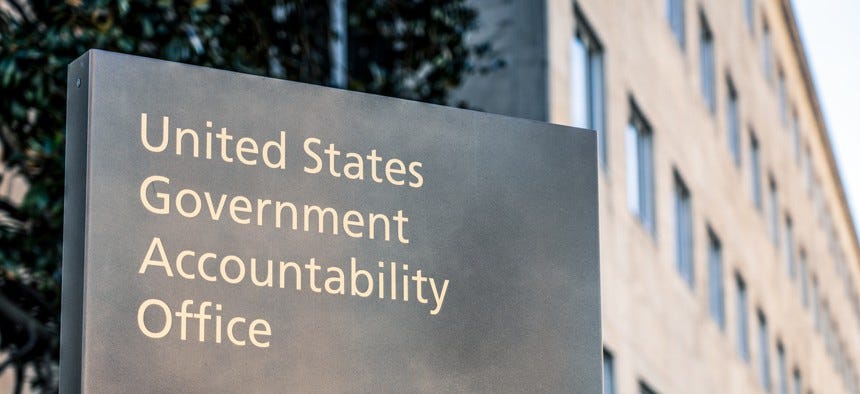
The $123-to-One Investment House Republicans Want to Cut
The Government Accountability Office's work is vital in the fight against fraud, waste and abuse

While Washington Counts, Criminals Steal
We are living in a new era of fraud. The government is still operating in the old one.

The Government Is About to Send Out Billions in Tariff Refunds. The Fraudsters are Ready.
A massive new tariff refund program has all the hallmarks of the last great fraud wave—speed, scale, and a system built to trust.
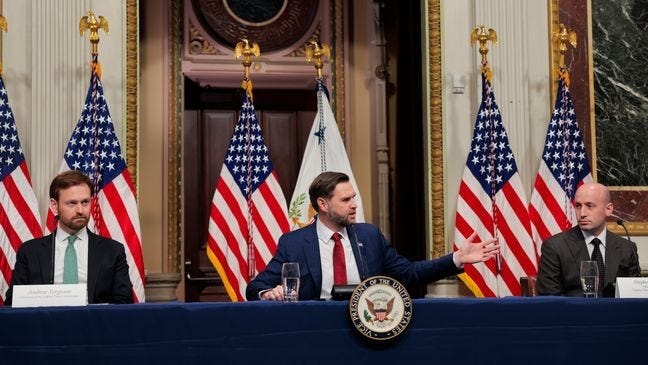
The 30-Day Test
The White House fraud task force is trying to get agencies to do something they have resisted for decades, and is creating the kind of disincentives that will only make that resistance worse
Statement from the Program Integrity Alliance on Executive Order 14390: Combating Cybercrime, Fraud, and Predatory Schemes
The Program Integrity Alliance's statement on Executive Order 14390, welcoming federal action against organized cybercrime and fraud targeting public programs and calling for systemic, pre-disbursement reforms that make payment systems structurally harder to exploit.

The AI Threat to Fraud Detection That No One in Government Is Preparing For
How Adversarial Machine Learning Could Undermine the Government's Newest Weapon Against Fraud

What’s Missing Is Not Another Task Force
Why directing agencies to stop fraud and giving them the tools to do it are very different things

The $100 Billion Medicare Fraud Racket You've Never Heard Of
What's happening in Florida proves that fraud is not just a "blue state" issue

Washington’s September Spending Spree
A $98,000 piano, a $93 billion month, and the quiet design flaw that erodes trust in government

Necessary. Not Sufficient.
On Washington's new approach to fraud, and its limits
The United States Needs a Formal Pandemic Fraud Recovery Strategy
American taxpayers deserve a proactive effort to pursue the losses that remain cost effective and achievable

Easier Than Opening a Bank Account
Freezing New Medicare Equipment Suppliers is a Good Start, but its Not Enough

The Cognition-First Fallacy
What human psychology reveals about why scams work

Why Treasury Needs Tax Data to Protect Taxpayer Dollars
The Case for Limited, De-Identified Tax Data Use in Government-Wide Payment Integrity

When Paper Becomes a Weapon
The Rise of Fabricated Documents in Government Fraud
The Structural Failure Behind the Minnesota Fraud Scandal
How a 20th-Century Oversight System Failed a 21st-Century Fraud Problem
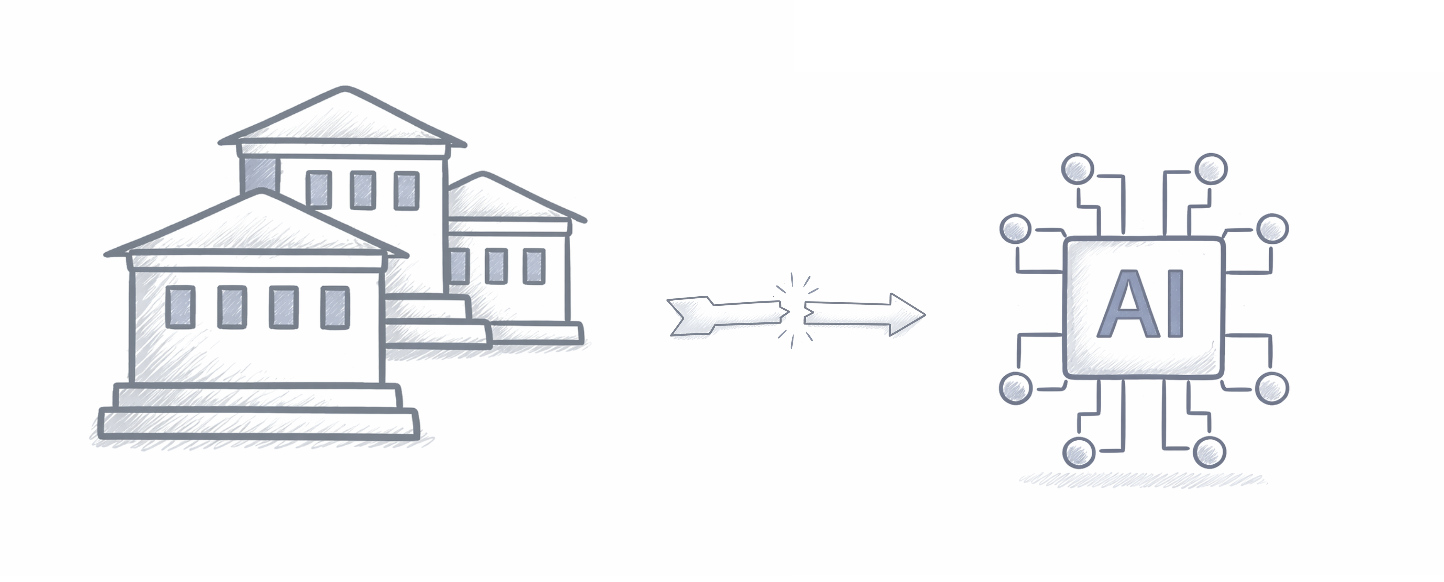
Making Federal Reports Usable for AI
The U.S. government publishes millions of pages of reports annually — a cornerstone of democratic accountability and transparency. Yet despite being publicly available, much federal reporting data is not readily usable for modern analysis, including AI-driven research.

Income Verification Doesn’t Need to Be This Expensive
Trust isn’t Just Vibes
Government needs to visibly work for people if they are expected to trust it
When Fraud Prevention Is Buried Under Politics, the Public Loses
Fraud prevention is a bipartisan imperative, not an accessory in a partisan narrative

Transparency by Design: A Path Towards a U.S. Company Registry with a Single Identifier
Ensuring that businesses are legitimate and that their formation is transparent is essential to safeguarding economic stability and public trust in the financial system. It is also vital to the integrity of public funds, since criminals can easily exploit opaque systems of business formation to steal public funds, launder money, and evade taxes.

The New Gilded Age
How Corruption Is Quietly Becoming Normal Again

The “Louvre” Password and the Paradox of Cybersecurity
Impenetrable systems undone by predictable human shortcuts

Accessing PIA's AI Resources Just Became Easier – Introducing PIA Connect
At the Program Integrity Alliance (PIA), our mission is to strengthen integrity in government through data, evidence, and collaboration. With the launch of PIA Connect, we're taking the next step toward making these capabilities accessible wherever people work with AI.

Saving Can-Do: Reclaiming Judgment in Washington’s Improper Payment Bureaucracy
A government that measures activity rather than achievement gets good at checking boxes, and not much else

Pre-Mortem Governance: Imagining Failure Before It Happens
Every disaster has a rehearsal. The tragedy is that we rarely attend.
Stablecoins: The "Boring" Crypto and the Future of Trust
Can a new regulatory framework bring legitimacy and fraud protections to the crypto ecosystem?

Bribery in Government Contracting Corrodes the Foundations of Public Trust
The Tom Homan case serves as a reminder that transparency and accountability in government contracting corruption allegations is vital

GovQuery: the Program Integrity Alliance's New Search Engine
Government produces vast amounts of information, but much of it is scattered and hard to search. GovQuery, our custom search engine, brings together key sources in one place to make this knowledge easier to find and use.
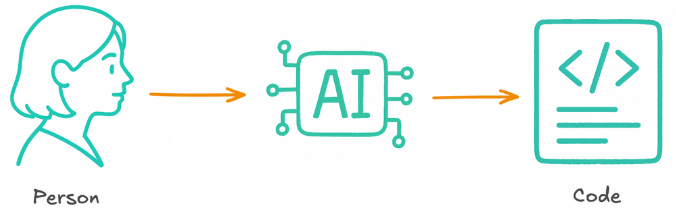
For the Program Integrity Alliance, AI-powered starts in-house
Making use of AI isn't just about leveraging chatbots. One of the most profound impacts today is in software development. AI-assisted coding has helped PIA move faster and grow in ways that wouldn't have been possible even two years ago.

Wyoming's Modern Day Outlaws
The Cowboy State's crime-friendly business registration laws make it a hotbed for shell companies and anyone looking to commit fraud or financial crime
OMB directs agencies to address 'Do Not Pay' data gaps
The federal government is stepping up efforts to expand the use of Treasury's Do Not Pay database as a tool to prevent fraud and improper payments.
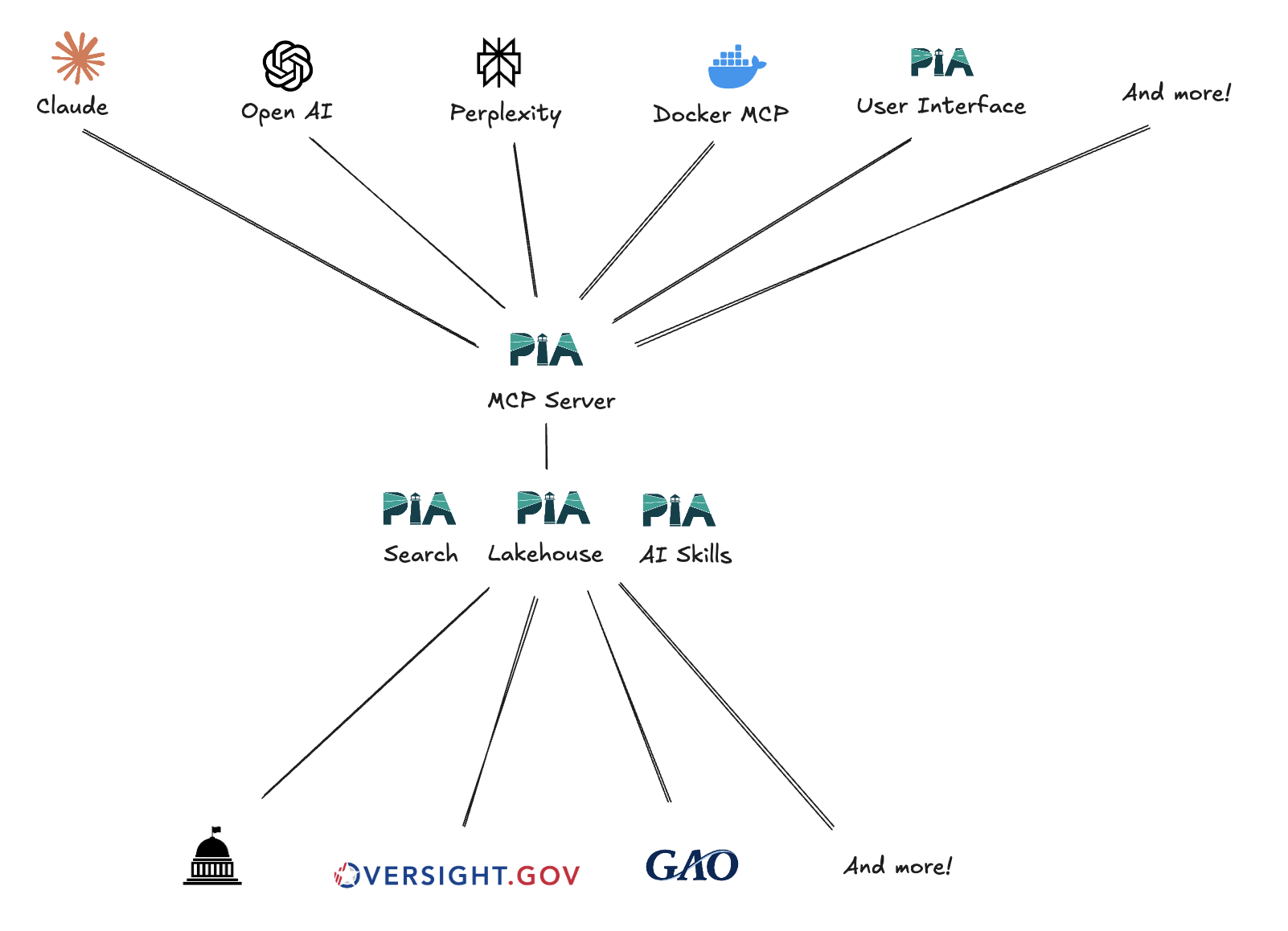
Program Integrity Alliance's AI Strategy: Future-Proofing with the Model Context Protocol
Custom AI can age fast. PIA shares its strategy for staying ahead of the curve through open standards — the Model Context Protocol (MCP). Like a USB port for AI, MCP servers let different AI systems plug into data and tools in a standardized way.

We can’t afford to lose more trust in government
Only a fraction of Americans trust the government today, we further diminish that trust at our peril

Don't Say the "F" Word
Why government leaders are afraid to say "fraud"
The Sun Rises Again on the PRAC
Now let's let PRAC use its data tools to prevent fraud across Government
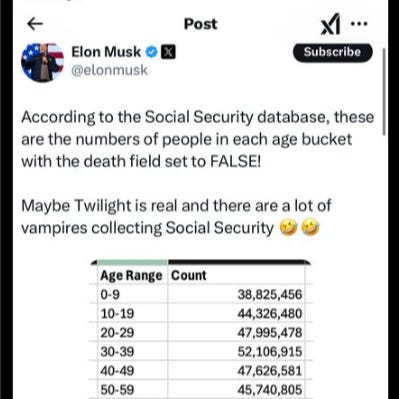
What dead people?
The government's atrocious use of data is a core reason people don't trust it
Value-for-Money Roundtable
PIA and the Association of Certified Fraud Examiners (ACFE) hosted a roundtable at the ACFE's Annual Global Fraud Conference in Nashville, Tennessee, bringing together participants from industry, government, and academia.
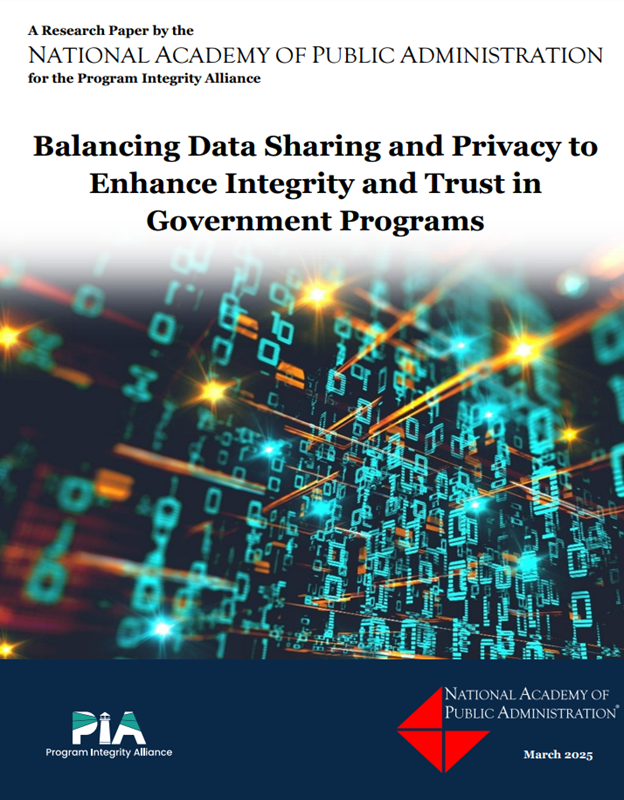
Balancing Data Sharing and Privacy to Enhance Integrity and Trust in Government Programs
Data can fight fraud, but only if we break down silos without breaking trust. This paper explores how the federal government can expand data sharing to prevent fraud while upholding privacy, outlining a path to smarter, safer governance.
Prioritizing Prevention: Value-for-Money in Anti-Fraud Efforts
The U.S. loses hundreds of billions annually to fraud in public programs, yet anti-fraud policy still relies heavily on "pay and chase" enforcement and recovery. A Value-for-Money (V4M) approach offers a better standard for evaluating anti-fraud efforts by highlighting the impact and cost-effectiveness of both recovery dollars and prevention.
PIA's AI Demo Day
We held a demo of our data work and AI tools in Washington, D.C. for a group of stakeholders working in government, nonprofits, Congress, and industry.

Paradox: We might be making the fraud problem worse
The mantra of the new administration is: “Eliminate fraud, waste, and abuse!” But what if instead of eliminating it, we are exacerbating it?

Rethinking Government Operations: Unifying Efficiency and Integrity
To modernize government, we must challenge outdated assumptions about how agencies operate and manage risk
Coming soon

Welcome to GovIntegrity!
A forum for insights on how to improve the integrity and effectiveness of government
Preventing Fraud and Spending in Government Programs
In this interview with the Foundation for American Innovation, Linda Miller explores why fraud and improper payments persist in federal programs despite decades of bipartisan concern, and offers recommendations for Congress and the incoming administration.
Our approach to improper payments is failing; the 2024 numbers explain why
This op-ed by PIA's co-founders examines why the federal government's reported drop in improper payments for 2024 may be misleading, driven more by methodology changes than actual progress. It calls for reforms to replace compliance-focused reporting with data-driven strategies.
PIA on the GovNavigators Podcast
PIA co-founders Linda Miller and Gavin Ugale joined the show to talk about why they created PIA and their ambitious plans to help strengthen fraud prevention in government.
PIA on the Hill
PIA's Chair and Co-Founder, Linda Miller, testified before a subcommittee of the House Committee on Government Oversight and Accountability on examining a path forward to assess agencies' efforts to prevent improper payments and fraud.
Launch of the Program Integrity Alliance
Integrity and anti-fraud experts launch the Program Integrity Alliance (PIA), a new non-profit organization dedicated to maximizing the impact and quality of public spending through evidence-based, data-informed fraud prevention in government.