
Understanding Why Federal Oversight Recommendations Stay Open
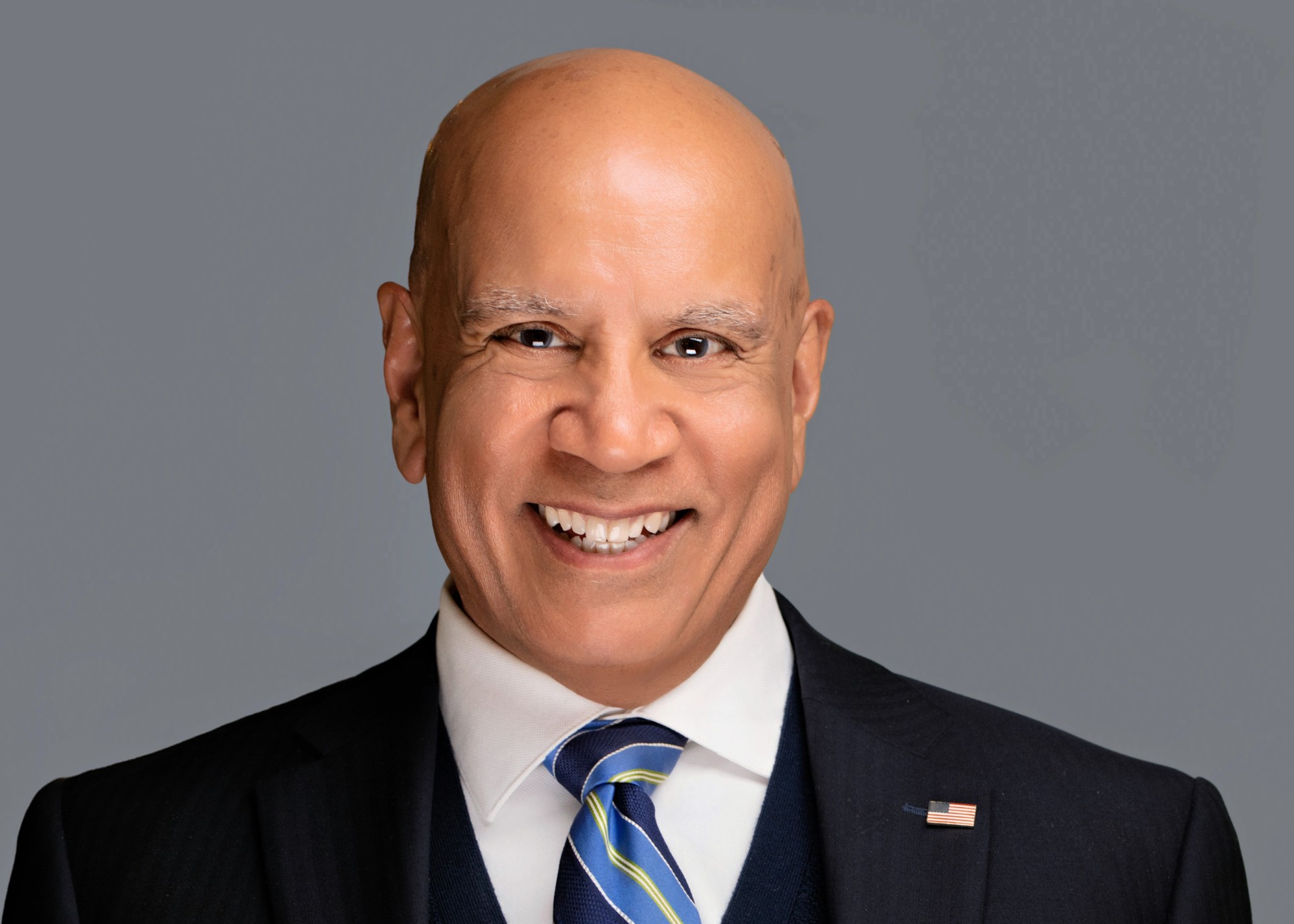
Kshemendra Paul
Kshemendra Paul is a Senior Fellow with the Program Integrity Alliance. A recently retired government executive, he served in roles such as Federal Chief Architect, Program Manager for the Information Sharing Environment, Chief Data Officer, and Chief Enterprise Architect. Before his federal service, he worked in the technology sector. In addition to his public policy work, he provides data and AI strategy and governance advisory services. Pertinent to this study, Kshemendra worked at the Office of Management and Budget during the early implementation of the American Recovery and Reinvestment Act. He served as Assistant Inspector General for Cyber Assessments and Data Analytics in the Department of Energy’s Office of the Inspector General. As the government-wide lead for information sharing, he worked with stakeholders to remove terrorism-related information sharing from the Government Accountability Office’s High Risk List.

Paper at a Glance
Unimplemented recommendations issued by oversight entities represent a lost opportunity to improve the way government delivers for the American people. However, conditions such as leadership attention, scarce resources and complex operating models, and the structural difficulty of the problems that oversight entities hone in on can delay or stall recommendation implementation. This paper seeks to identify conditions under which recommendations are, or are not, implemented.
Key Takeaways
- Leadership attention drives or disrupts recommendation implementation. Recommendations advance when leaders prioritize them and stall when leaders change or treat oversight as an obstacle rather than a tool for improvement.
- Agencies lack resources to implement every recommendation. Recommendations that align with agency priorities are more likely to advance. Clear risk prioritization helps agencies address the most consequential recommendations first.
- Congressional attention is a strong motivator for closing recommendations. Hearings, legislative mandates, and appropriations conditions motivate agencies to act, but congressional engagement with oversight has declined.
- Many recommendations take years because they address structurally difficult problems. Oversight generally credits only full implementation.
- Constructive working relationships between oversight and agencies are key. Regular communication and early briefings on draft findings build mutual understanding.
- Oversight findings often arrive too late to be actionable. Shorter, faster, and interim products can deliver findings while they are still relevant to agency operations.
- Clear recommendations are easier to close. Recommendations addressing several deficiencies at once, or those with vague or ambiguous wording, are difficult to close.
- Agency disagreement is more common than formal responses show. Agencies sometimes agree with a recommendation on paper while having no plan to implement it, so the recommendation stays open in official records while implementation has stalled.
Citation
Paul, K. (2026, October). Understanding Why Federal Oversight Recommendations Stay Open. Program Integrity Alliance.
This work is licensed under Creative Commons Attribution-NonCommercial 4.0 International.